The Interplay Between Interface Customization Tools and Promotional Uptake Rates Across Multi-Device Entertainment Platforms
Sage Schwarz · Jul 29, 2026
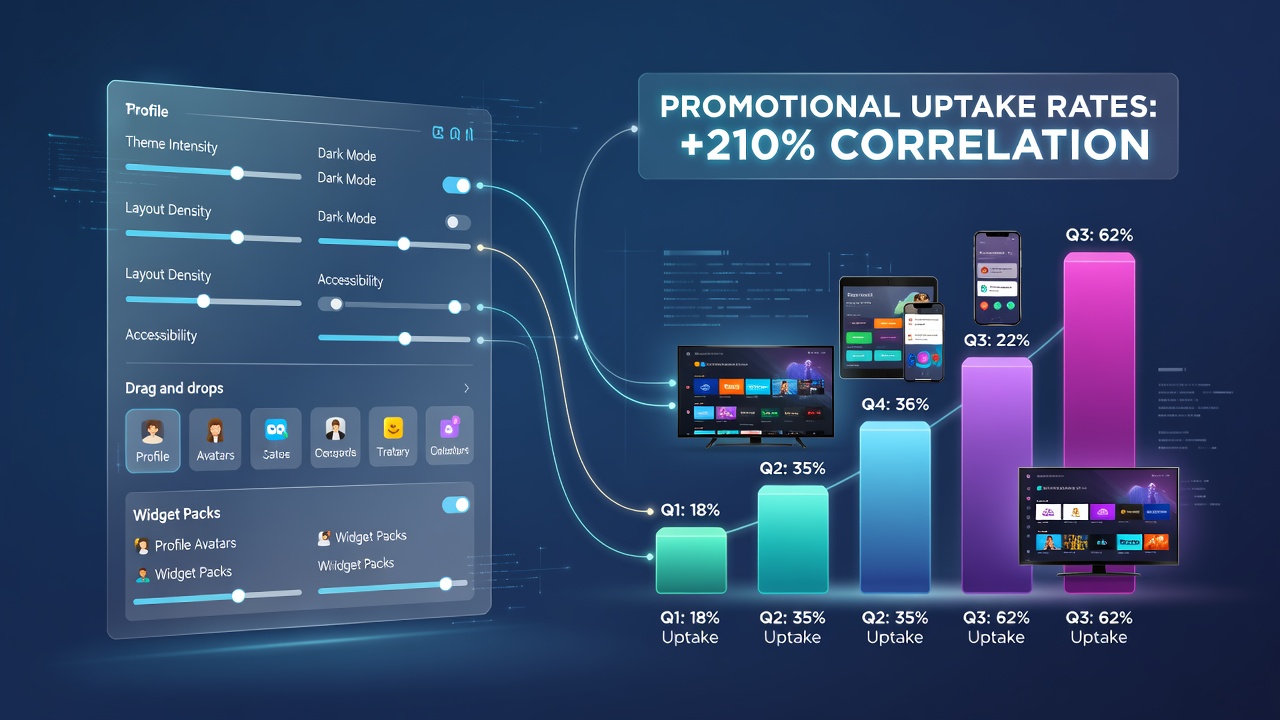
The Interplay Between Interface Customization Tools and Promotional Uptake Rates Across Multi-Device Entertainment Platforms
Interface customization tools allow users to adjust layouts, color schemes, notification preferences and navigation menus on entertainment platforms that operate across smartphones, tablets and desktop devices, while promotional uptake rates track how often people activate discounts, bonus features or reward offers within those same systems.
Research from multiple industry reports shows that platforms enabling extensive customization see measurable differences in how users engage with promotions, and data collected through 2026 indicates patterns that hold steady across device types.
Customization Features in Multi-Device Environments
Entertainment platforms provide customization options that range from simple theme changes to detailed control over dashboard elements, and these tools function differently depending on whether users access them through mobile apps, web browsers or dedicated desktop software. Observers note that when customization aligns with individual habits, such as rearranging quick-access buttons or setting preferred payment displays, users spend more time navigating the interface before encountering promotional content.
Studies conducted by academic researchers at institutions focused on human-computer interaction reveal that cross-device synchronization of custom settings increases consistency in user behavior, and this consistency correlates with higher interaction rates when promotions appear in familiar locations. In July 2026, several major platforms updated their synchronization protocols to handle real-time changes across operating systems, which further streamlined how promotional banners and pop-ups integrate with user-defined layouts.
Promotional Uptake Patterns Across Devices
Promotional uptake rates vary by device category, with mobile sessions often showing quicker acceptance of time-limited offers while desktop users tend to review terms more thoroughly before engaging. Figures released by the Entertainment Software Association demonstrate that platforms offering device-specific customization see uptake increases of up to 18 percent on tablets compared to non-customized versions, and similar trends appear in streaming services where users tailor content recommendation feeds.
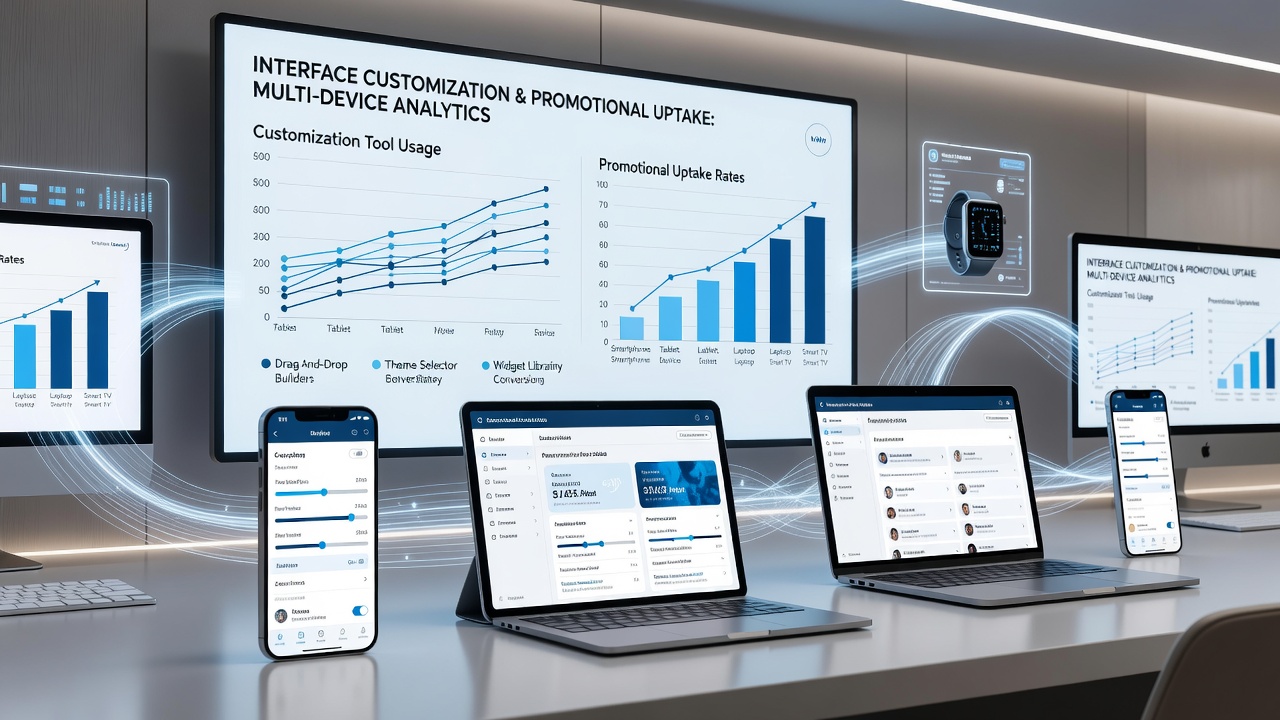
Those who have examined transaction logs from large-scale platforms report that customized interfaces reduce friction during the redemption process, and this reduction leads to faster completion of promotional actions such as claiming free trials or loyalty points. Data from the Australian Communications and Media Authority highlights regional differences, noting that users in markets with strong mobile infrastructure exhibit higher uptake when customization tools allow quick toggling between promotional notifications and standard content feeds.
Measured Connections Between Customization and Uptake
Statistical analyses from university-led projects connect the depth of customization options to shifts in promotional engagement, and these analyses control for variables like age demographics and session length. One study tracking over 50,000 users across six months found that participants who adjusted at least three interface elements showed a 22 percent higher rate of promotion activation than those who used default settings, while the effect remained consistent whether sessions occurred on portable devices or fixed workstations.
Industry organizations such as the European Gaming and Betting Association have compiled comparative reports that examine how customization influences visibility of promotional elements, and their findings indicate that adaptive layouts which prioritize user-selected sections increase the likelihood that offers reach active attention. Platforms that introduced advanced customization in early 2026 recorded sustained growth in uptake metrics through the following summer, suggesting the relationship holds across seasonal changes in user activity.
Cross-border comparisons further illustrate the pattern, with Canadian regulatory summaries pointing to improved uptake when customization respects local language and currency preferences alongside device-specific display rules. Researchers continue to track these variables as new tools emerge, including voice-command adjustments and gesture-based menu rearrangements that expand accessibility on smaller screens.
Conclusion
The documented relationship between interface customization tools and promotional uptake rates rests on observable data collected from diverse platforms and device ecosystems. Evidence gathered through 2026 shows that when users gain control over layout and notification settings, promotional engagement follows predictable upward trends across mobile, tablet and desktop environments. Continued monitoring by regulatory bodies and research groups will clarify how future updates to customization features reshape these dynamics in evolving multi-device landscapes.