How Tiered Incentive Structures Guide Player Shifts Between Reel-Based and Interactive Card Options on Portable Gambling Platforms
Henrik Butler · Jun 22, 2026
How Tiered Incentive Structures Guide Player Shifts Between Reel-Based and Interactive Card Options on Portable Gambling Platforms
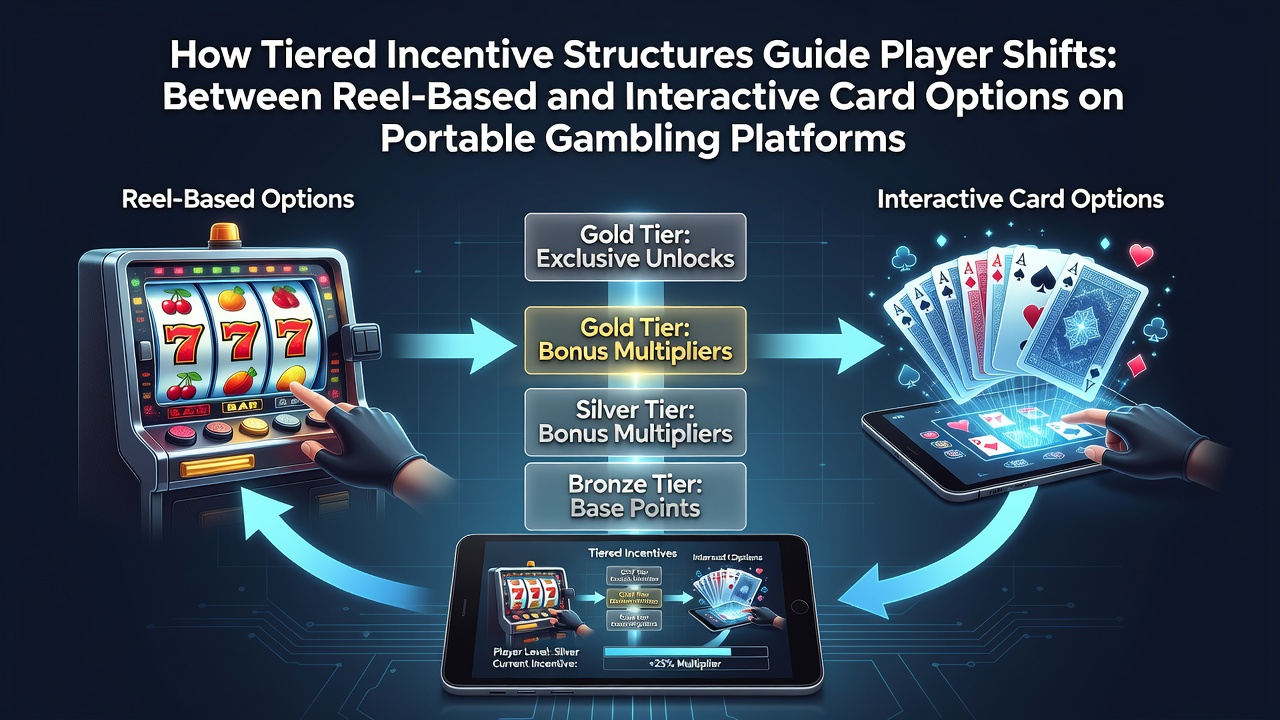
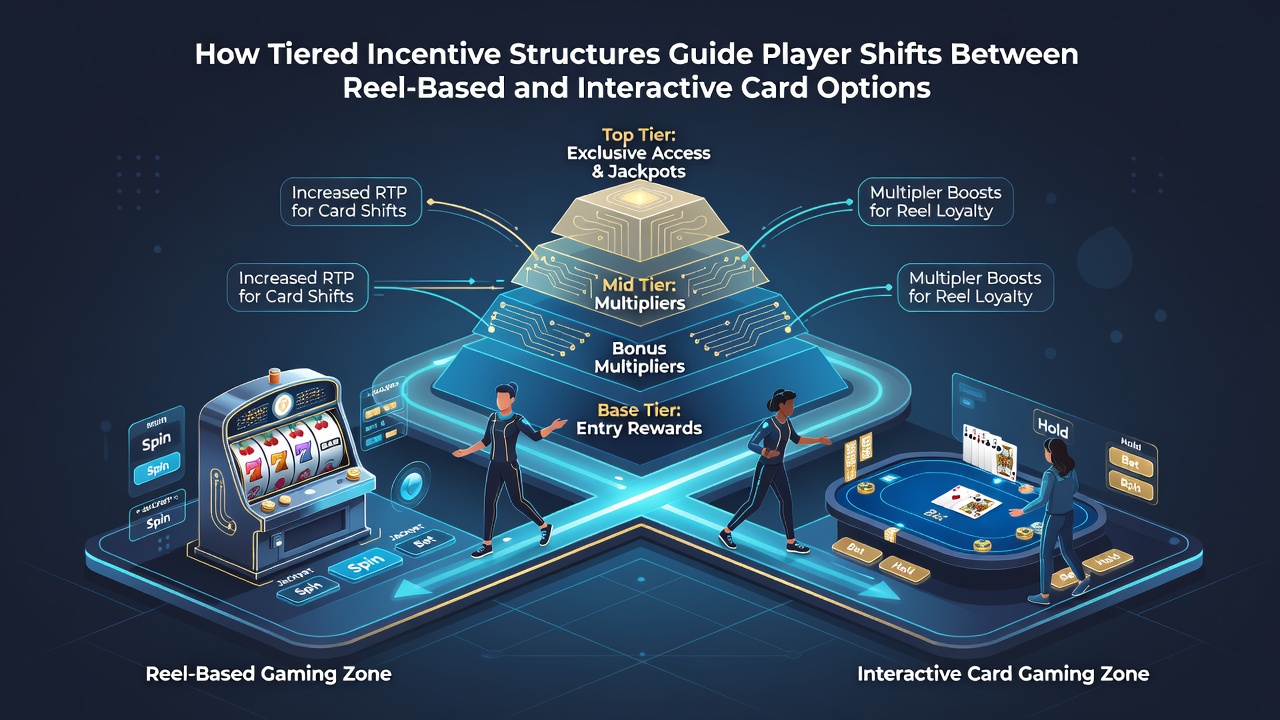
Portable gambling platforms have incorporated tiered incentive structures that reward players based on activity levels, and these systems often steer users between reel-based options like slots and interactive card formats such as blackjack or poker. Data from industry reports indicate that operators design loyalty tiers to distribute bonuses, free spins, and cashback in ways that encourage specific game selections at different stages of player progression. Observers note that lower tiers typically emphasize reel-based games through deposit matches and spin multipliers, while higher tiers unlock enhanced rewards for card-based play including reduced house edges and exclusive table access.
Studies from academic institutions reveal patterns where players advance through tiers by accumulating points from initial reel engagement, after which incentives pivot toward interactive formats to maintain retention. For instance, one analysis of mobile user data collected through June 2026 showed a 22 percent increase in card game sessions among users who reached mid-tier status on platforms operating in regulated markets. This shift occurs because tier benefits frequently include tailored promotions that apply higher multipliers to card wagers once reel-based activity thresholds are met.
Mechanics of Tier Progression and Game Selection
Operators structure tiers around metrics including total wagers, session frequency, and deposit volumes, with each level granting escalating privileges that influence game choice. Players at entry levels receive incentives focused on reel-based titles because these formats generate quick point accumulation through high-volume spins, whereas advanced tiers introduce card-specific perks such as rake rebates and tournament entries. Research indicates that this layered approach creates natural migration paths, since users who exhaust basic reel rewards encounter stronger motivations to explore interactive card options to maximize remaining benefits.
Platforms track these movements through integrated analytics that adjust real-time offers, and data collected in early 2026 demonstrated that users crossing from bronze to silver tiers increased card game participation by an average of 35 percent within the first month. The design relies on conditional bonuses where reel activity unlocks card bonuses, creating a sequential flow rather than simultaneous access across categories.
Regional Data Patterns and Platform Adaptations
Figures from North American regulatory bodies highlight variations in how tier systems operate across jurisdictions, with mobile platforms in states like New Jersey reporting higher card game uptake among platinum-level users compared to reel-dominant lower tiers. According to reports available through the New Jersey Division of Gaming Enforcement, tier-driven incentives contributed to a measurable redistribution of play volume during the first half of 2026. Similar observations emerged from Australian markets, where state-level data showed portable applications using tier thresholds to balance load between automated reel engines and live dealer card interfaces.
Take one platform operator who adjusted silver-tier rewards to include card game cashback rates of 1.5 percent while maintaining 0.5 percent for reels, resulting in documented user transitions tracked through session logs. Those who've studied these systems note that such adjustments align with peak mobile usage hours, particularly when users seek longer session formats after completing shorter reel cycles.
Behavioral Indicators and Cross-Format Engagement
Behavioral tracking on portable devices captures how tier status correlates with format switches, and evidence from aggregated user studies points to increased dwell time on card tables once players qualify for premium incentives. Platforms deploy push notifications that highlight available card bonuses only after reel targets are achieved, which sustains momentum across game types without overwhelming lower-tier users. Data indicates that this sequencing reduces early churn while guiding sustained engagement toward formats that support higher average revenue per user at elevated tiers.
One case examined by researchers involved a Canadian provincial operator whose gold-tier structure offered priority seating in interactive poker rooms exclusively to users with prior reel volume, producing a 28 percent uptick in cross-format activity by June 2026. Observers note that these mechanisms function because they tie progression directly to diversified play rather than single-format repetition.
Conclusion
Tiered incentive structures on portable gambling platforms operate through deliberate sequencing of rewards that begin with reel-based accessibility and expand into interactive card options as users advance. Evidence from regulatory filings and platform analytics confirms that these designs produce measurable shifts in player behavior across multiple markets, with progression thresholds serving as the primary drivers. As mobile technologies continue to support seamless transitions between formats, operators maintain these systems to align user activity with revenue objectives while complying with regional oversight requirements.