How Emerging Digital Payment Pathways Are Redefining Incentive Structures for Remote Players Exploring Interactive Table and Slot Formats on Portable Devices
Henrik Meier · May 20, 2026
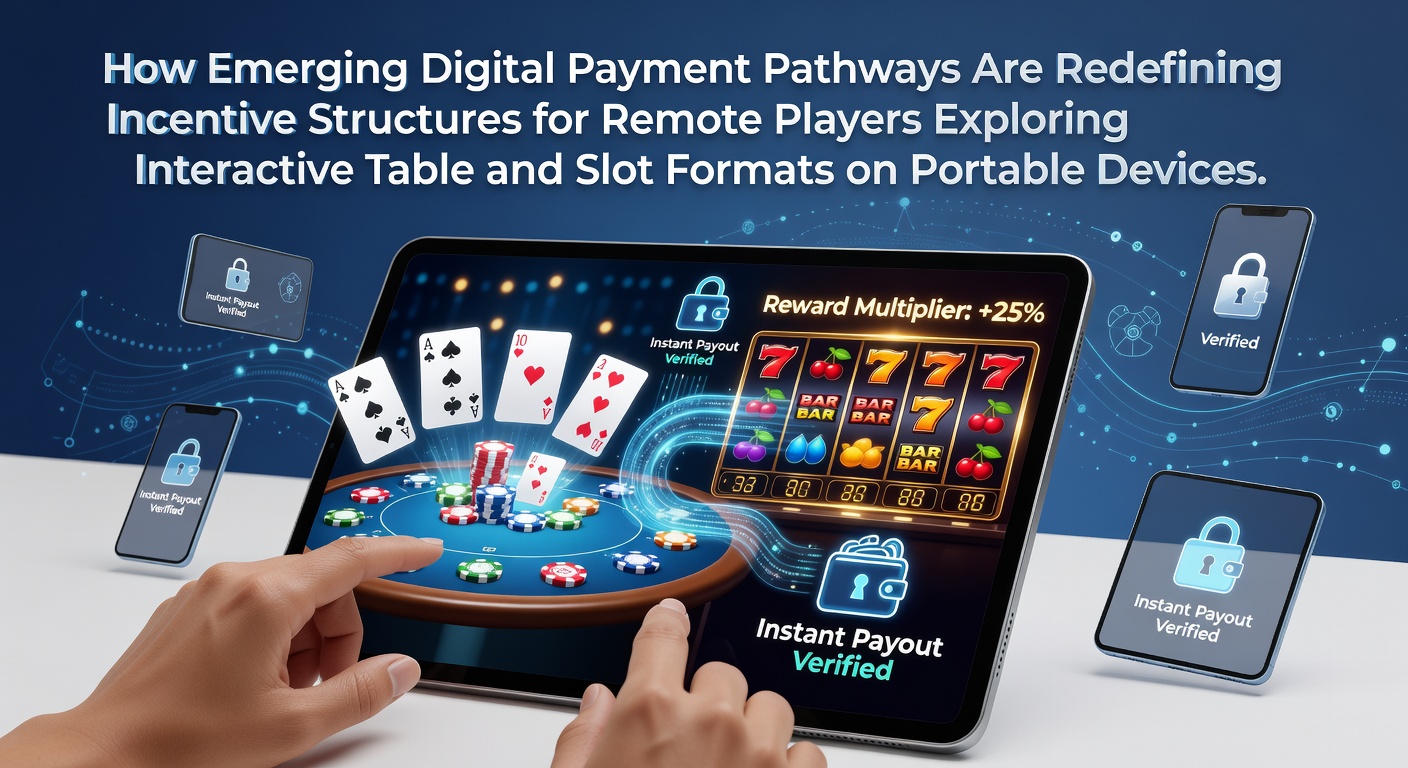
How Emerging Digital Payment Pathways Are Redefining Incentive Structures for Remote Players Exploring Interactive Table and Slot Formats on Portable Devices
Digital payment systems continue to evolve rapidly and they now connect directly to incentive programs that remote players encounter when accessing interactive table games and slot formats through portable devices. In May 2026 industry reports highlight how instant settlement options and blockchain-based transfers allow operators to deliver time-sensitive rewards that adjust based on transaction volume and device usage patterns.
Payment Innovations Driving Mobile Engagement
Players who rely on portable devices often choose payment methods that process deposits within seconds rather than minutes, and these choices trigger tailored bonus structures that differ from traditional desktop offerings. Data from the American Gaming Association indicates mobile transactions accounted for over 62 percent of all online gaming activity during the first quarter of 2026, with e-wallet integrations leading the shift toward personalized loyalty multipliers that activate automatically upon confirmation.
Operators now link reward tiers to specific payment rails, so users who select instant bank transfers receive higher free-spin allocations on popular slot titles while those preferring stablecoin options unlock table game rake-back percentages that scale with play frequency. This linkage creates a feedback loop where payment speed influences the type and timing of incentives available to remote participants.
Slot Formats Respond to Transaction Data
Slot developers incorporate real-time payment signals into game mechanics, allowing progressive jackpots and bonus rounds to unlock faster for players whose deposit histories show consistent mobile activity. Research published by the University of Nevada Reno Center for Gambling Research reveals that sessions initiated via integrated digital wallets average 18 percent longer duration than those using card-based methods, prompting operators to adjust incentive delivery accordingly.
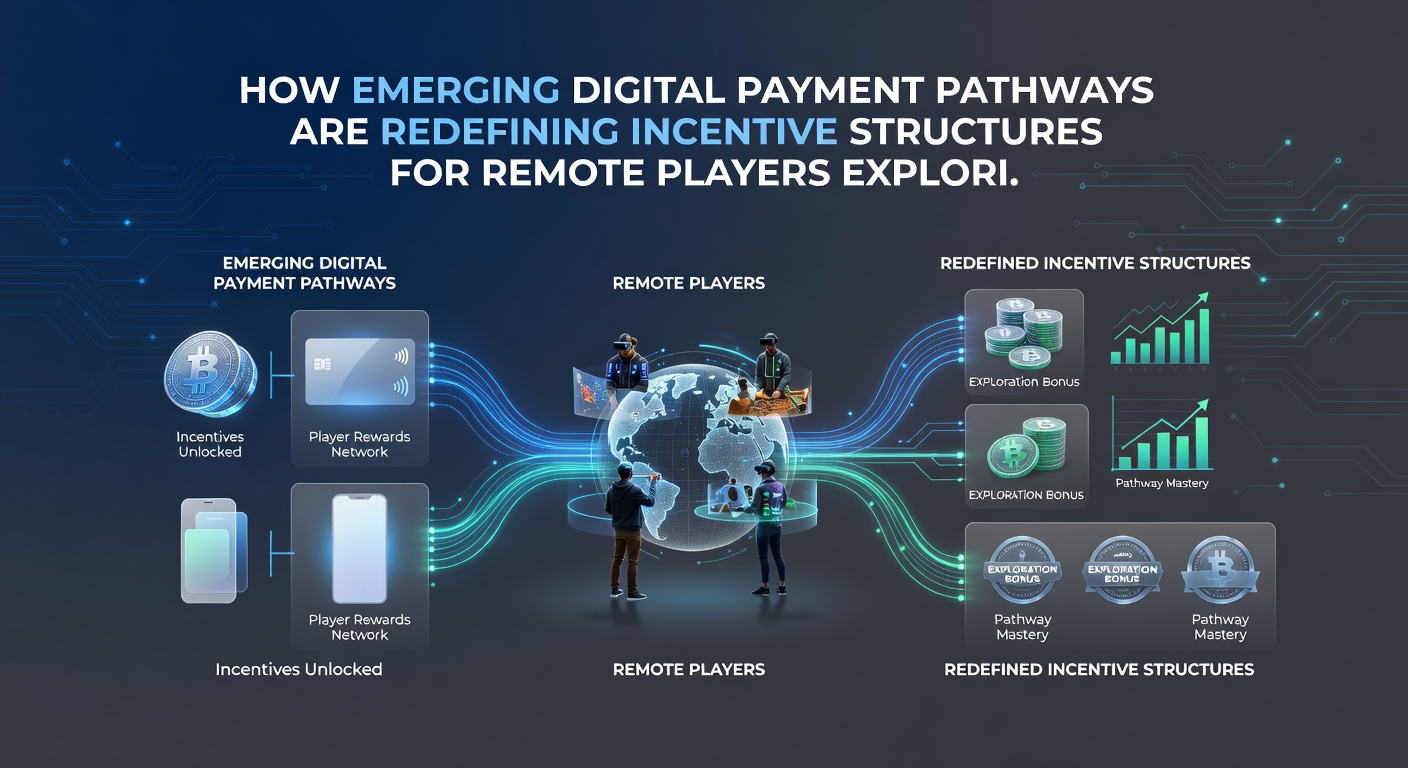
One platform introduced a system in early 2026 where every successful mobile deposit above a set threshold immediately credits additional spins proportional to the payment amount, and players report these credits appear within the same interface without navigation to separate bonus menus. Such designs reduce friction while increasing engagement metrics tracked across portable device sessions.
Table Game Incentives Adapt to Payment Pathways
Live dealer environments on portable devices now incorporate payment-triggered promotions that adjust table limits or side-bet bonuses according to the chosen digital rail. European Gaming and Betting Association figures released in April 2026 show a 27 percent rise in mobile blackjack participation coinciding with the rollout of crypto-settled cashback programs that credit winnings directly back to the originating wallet within minutes.
These programs differ from legacy loyalty schemes because they respond dynamically to transaction metadata, including device type and connection stability, which allows operators to offer higher match percentages during peak mobile hours. Observers note that players who maintain verified digital payment profiles receive priority access to private tables with enhanced incentive structures unavailable through slower processing routes.
Regulatory and Technical Context in Mid-2026
Regulators across multiple jurisdictions have begun requiring clearer disclosure of how payment method selection affects available incentives, yet the pace of technological adoption continues to outstrip guideline updates. Portable device manufacturers meanwhile integrate secure element chips that support tokenized payments, further streamlining the path from deposit to rewarded play in both slot and table formats.
Industry analysts tracking these developments point to expanded partnerships between payment processors and game studios that enable cross-format incentives, such as slot winnings converting automatically into table game credits when processed through approved digital channels. This integration keeps remote participants engaged across multiple game types without leaving the mobile application environment.
Conclusion
Emerging digital payment pathways continue reshaping how operators structure incentives for remote players engaged with interactive slots and table formats on portable devices. Transaction speed, wallet compatibility, and data-driven personalization now determine reward availability in ways that earlier payment systems could not support. As adoption grows through 2026, these connections between payment infrastructure and game incentives are expected to deepen further, producing measurable shifts in player behavior and platform design across mobile ecosystems.