How Behavioral Tracking Algorithms Influence Access to Tiered Rewards Across Portable Gaming Interfaces
Henrik Meier · Jun 26, 2026

How Behavioral Tracking Algorithms Influence Access to Tiered Rewards Across Portable Gaming Interfaces
Behavioral tracking algorithms monitor player actions on mobile gaming platforms through data collection on session duration, deposit frequency, game selection patterns, and engagement levels, which then feed into systems that assign users to loyalty tiers with varying reward access. These processes operate across handheld devices where apps record inputs in real time and adjust visibility of bonuses or specialized games accordingly. In June 2026 reports from industry analysts highlighted continued expansion of such systems in cross-platform environments.
Mechanics of Data Collection in Mobile Environments
Algorithms gather information from portable interfaces by logging touch interactions, time spent on specific titles, and transaction histories, then process these inputs through machine learning models that predict future behavior. Developers integrate these tools directly into app architectures so that tier assignments update dynamically without manual intervention. Researchers at academic institutions have documented how variables like average bet size and login consistency contribute to automated classifications that determine eligibility for higher reward brackets.
One analysis from a Canadian research consortium examined mobile casino applications and found that players exhibiting steady deposit patterns received faster progression to mid-tier status compared with sporadic users, even when total spend remained similar. The systems prioritize metrics such as consecutive active days and variety of game types played, which influence whether certain promotions appear in a user's interface.
Tiered Reward Structures and Algorithmic Gatekeeping
Tiered systems categorize participants into levels that unlock escalating benefits including exclusive table variants, accelerated payout options, and personalized bonus pools, yet access hinges on algorithmic scoring rather than fixed thresholds alone. Data from portable gaming sessions feeds scoring engines that recalibrate positions weekly or monthly, creating situations where brief changes in activity can shift a user between tiers. Observers note that these mechanisms often tie reward visibility to behavioral consistency tracked across multiple sessions on smartphones and tablets.
Figures released in regulatory summaries from the Nevada Gaming Control Board in early 2026 indicated that mobile platforms using advanced tracking recorded higher average tier retention rates when algorithms incorporated real-time adjustments based on recent play history. This approach allows platforms to limit higher-tier features to users whose patterns align with predefined engagement profiles while maintaining lower-tier access for others.
Regional Regulatory Context and Platform Adaptations
Regulatory frameworks in various jurisdictions address how tracking influences reward distribution, with bodies such as the Australian Communications and Media Authority requiring transparency reports on algorithmic decision-making in digital entertainment services. Platforms adapt by embedding compliance features that log data usage and provide users with summaries of factors affecting their tier status. In practice these adaptations mean that portable interfaces display tier progress indicators derived directly from tracked behaviors.
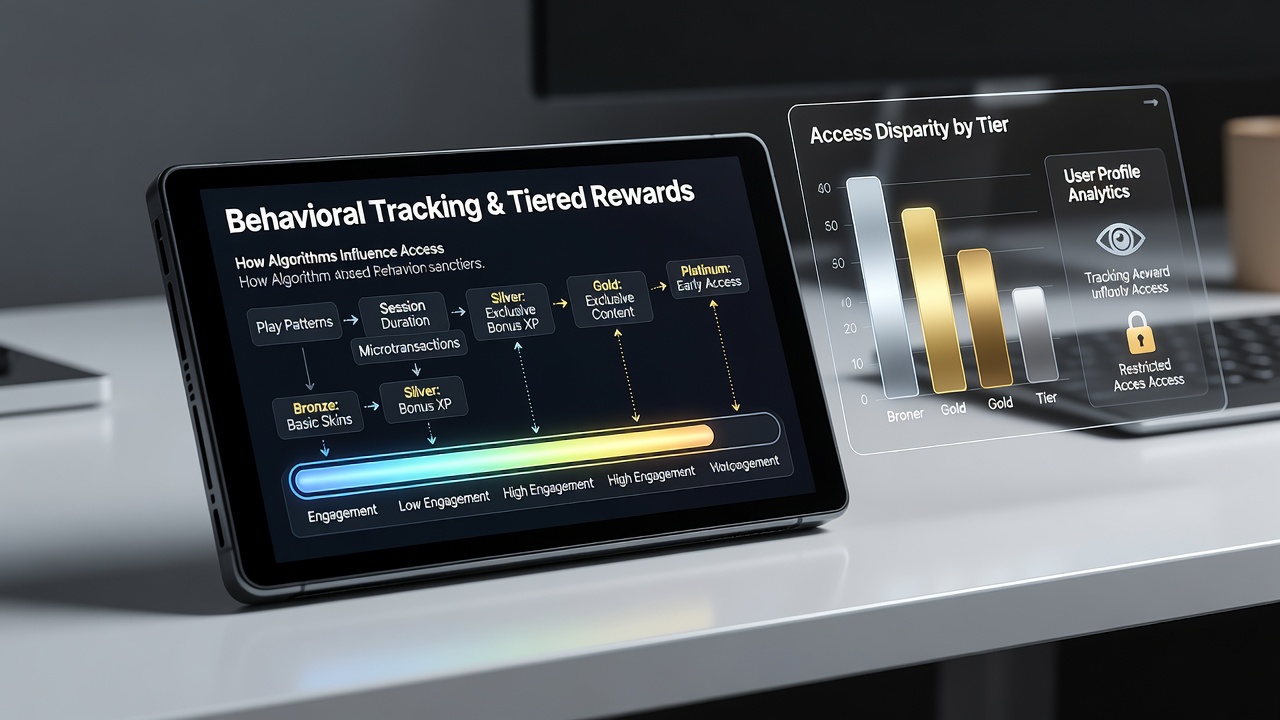
Studies conducted by university teams in Europe have tracked correlations between specific mobile metrics and reward availability, revealing that users who frequently switch between slot and table formats often qualify for broader access sooner than those focused on single categories. Such findings appear in aggregated industry datasets that platforms reference when refining their systems.
Interaction Patterns and Reward Accessibility Outcomes
Portable gaming interfaces translate algorithmic outputs into visible elements like locked game modes or time-limited offers that activate only after certain behavioral thresholds are met. Patterns show that deposit velocity and session length serve as primary inputs, while secondary signals such as social sharing within apps can accelerate progression in some implementations. Those who've examined large-scale user datasets observe that these layered inputs create differentiated access paths across global mobile networks.
Evidence from platform performance metrics compiled in 2026 demonstrates that reward structures tied to behavioral tracking produce measurable differences in how quickly users reach premium tiers, particularly when algorithms weigh cross-device consistency. Operators implement these features to align incentives with sustained activity recorded through app telemetry.
Conclusion
Behavioral tracking algorithms shape access to tiered rewards on portable gaming interfaces by processing continuous streams of user data into tier assignments that control feature availability. Regulatory updates and platform modifications continue to refine these interactions while maintaining focus on measurable activity indicators. Data from multiple sources including government agencies adn academic studies illustrate the operational scale of these systems across mobile environments.