Exploring Verification Protocol Shifts and Their Effects on Timed Incentive Rollouts Within Streaming Table Environments
Sage Schwarz · Jul 15, 2026
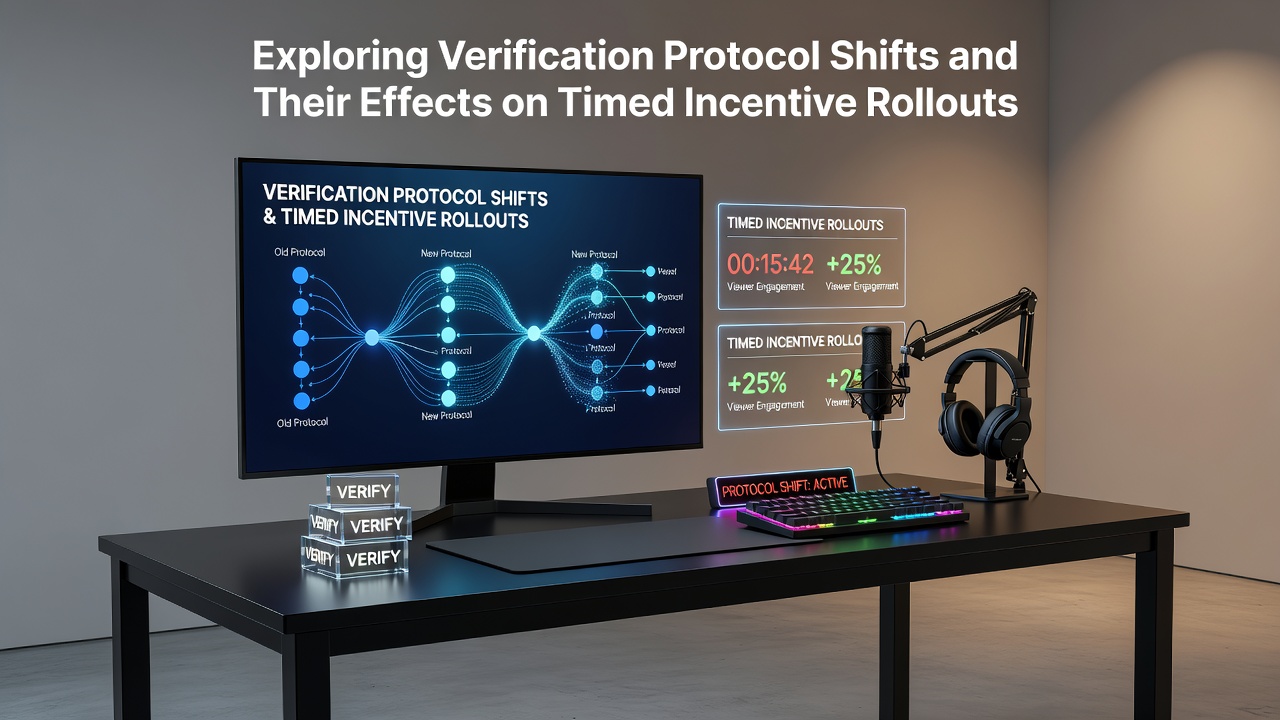
Exploring Verification Protocol Shifts and Their Effects on Timed Incentive Rollouts Within Streaming Table Environments
Verification protocol shifts have altered how operators manage identity checks and compliance layers across live-streamed table game platforms, and these adjustments directly influence the scheduling and distribution of timed promotional incentives. Data from multiple jurisdictions indicates that updated KYC requirements introduced in early 2025 prompted platforms to recalibrate rollout sequences for bonuses tied to blackjack, roulette, and baccarat streams. Observers note that operators now integrate automated document verification with real-time session monitoring, which compresses or extends the windows during which players can claim time-sensitive rewards.
Changes in Identity Verification Standards
Regulatory updates across North America and Europe have required streaming table providers to adopt multi-factor authentication sequences that include biometric elements alongside traditional document uploads, and these layers add processing steps that affect when incentives activate within a player's session. Figures released by the Nevada Gaming Control Board in July 2026 show a 23 percent increase in average verification completion times compared with 2024 baselines, while similar patterns appear in reports from the Australian Communications and Media Authority covering cross-border platforms. Those who operate streaming environments have responded by embedding verification checkpoints at specific points in the game flow, such as before the start of a new dealer shift or after a player reaches a predetermined wager threshold.
Impact on Incentive Timing Mechanisms
Timed incentives in streaming table settings typically activate during peak viewing hours or align with particular dealer rotations, yet verification delays can shift these activations by minutes or hours depending on the jurisdiction and platform architecture. Research conducted by the University of Nevada Reno's gaming analytics group found that platforms using asynchronous verification queues experienced a measurable lag between bonus eligibility and actual credit delivery, which in turn altered player participation rates during live sessions. Operators have therefore begun to front-load certain identity checks during account registration phases so that later incentive triggers encounter fewer interruptions once a stream begins.
One documented case involves a major platform that adjusted its bonus engine to pause the countdown timer on promotional offers until verification status cleared, and this approach preserved the intended duration of the incentive even when initial checks extended beyond standard intervals. Data collected across European operators indicates that such timer-pause implementations reduced premature expiration events by approximately 18 percent during the first half of 2026. Meanwhile, platforms that maintained strict real-time verification continued to report higher rates of incentive forfeiture when sessions overlapped with extended document review periods.
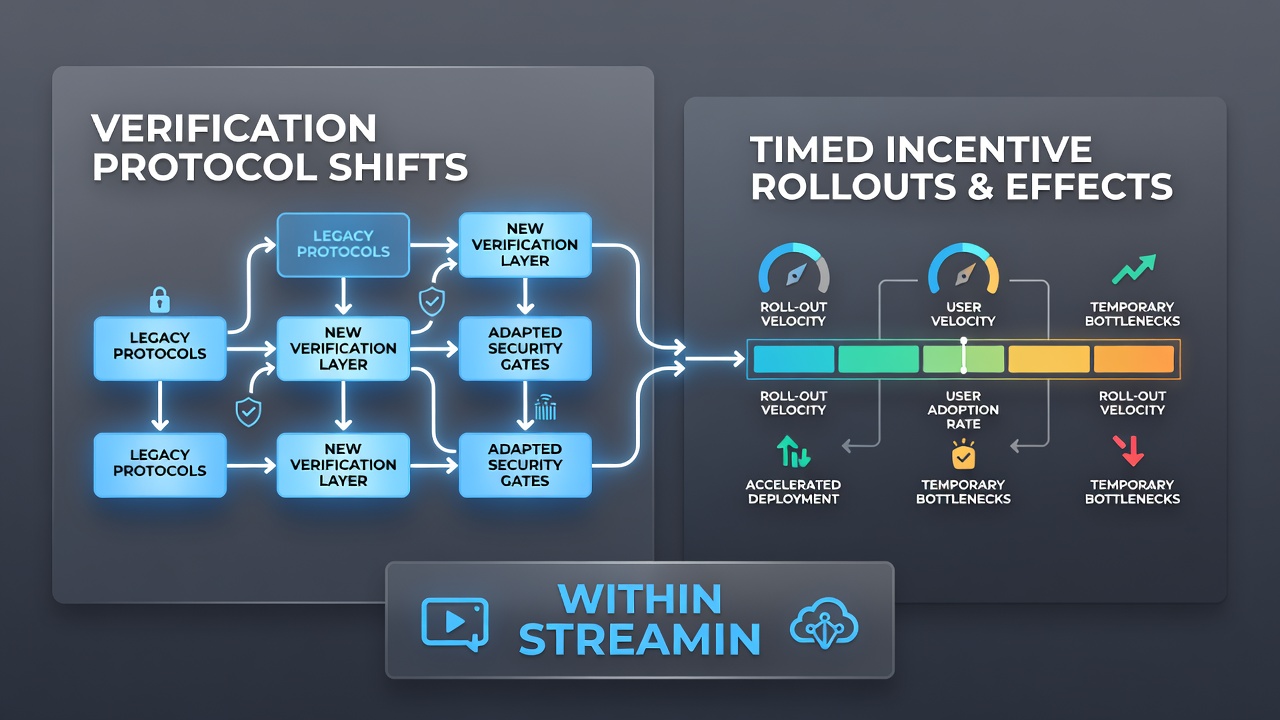
Operational Adjustments Across Platforms
Platform developers have introduced modular verification services that allow operators to toggle between lightweight and comprehensive checks based on player history and jurisdictional requirements, and these toggles directly shape the cadence at which timed rewards enter circulation. Industry reports compiled by the European Gaming and Betting Association highlight that operators adopting hybrid verification models achieved more consistent incentive delivery schedules throughout July 2026, whereas those relying solely on synchronous checks encountered greater variability in rollout timing. The integration of machine learning models for risk scoring has further enabled some systems to pre-approve returning players for faster processing lanes, thereby shortening the interval between incentive announcement and activation within live streams.
Streaming table environments also face unique constraints because game sessions run continuously with rotating dealers, and any verification bottleneck can misalign promotional triggers with the actual broadcast schedule. Operators have therefore mapped verification workflows against dealer shift calendars to minimize conflicts, which has required coordination between compliance teams and content production staff. Evidence from platform telemetry shows that synchronized scheduling reduced the frequency of incentive overlaps or gaps during high-traffic periods in the second quarter of 2026.
Regional Variations in Protocol Implementation
Different regulatory frameworks produce distinct verification timelines that ripple through incentive structures, and operators serving multiple markets must maintain parallel systems to accommodate these differences. Canadian provincial regulators, for instance, emphasize ongoing monitoring after initial approval, which can trigger additional checks mid-session and interrupt active bonus periods. In contrast, certain Asian jurisdictions prioritize upfront verification that occurs before any gameplay begins, allowing incentives to activate without further interruption once a stream starts. These regional distinctions have prompted platform providers to develop configurable rule engines that adjust incentive clocks according to the player's registered location and applicable verification rules.
Statistics gathered by academic researchers at the University of Macau's gaming institute reveal that cross-border streaming services experienced a 14 percent variance in incentive claim rates between markets with upfront versus ongoing verification regimes during the spring of 2026. Operators have responded by publishing clear timelines for each market so that players understand when promotional windows open and close relative to verification completion.
Conclusion
Verification protocol shifts continue to reshape the operational landscape for timed incentive rollouts in streaming table environments, and the effects manifest through altered processing durations, modified timer mechanics, and region-specific scheduling adjustments. Platforms that align verification workflows with live broadcast calendars and regional compliance requirements maintain more predictable incentive delivery, while those that do not encounter greater variability in player access to promotional offers. Ongoing data collection from regulatory bodies and research institutions will likely inform further refinements as verification technologies and incentive models evolve in parallel throughout the remainder of 2026 and beyond.