Examining Ripple Effects of Themed Event Tie-Ins on Hybrid Game Access in Digital Venues
Jonas Jenkins · Aug 7, 2026
Examining Ripple Effects of Themed Event Tie-Ins on Hybrid Game Access in Digital Venues
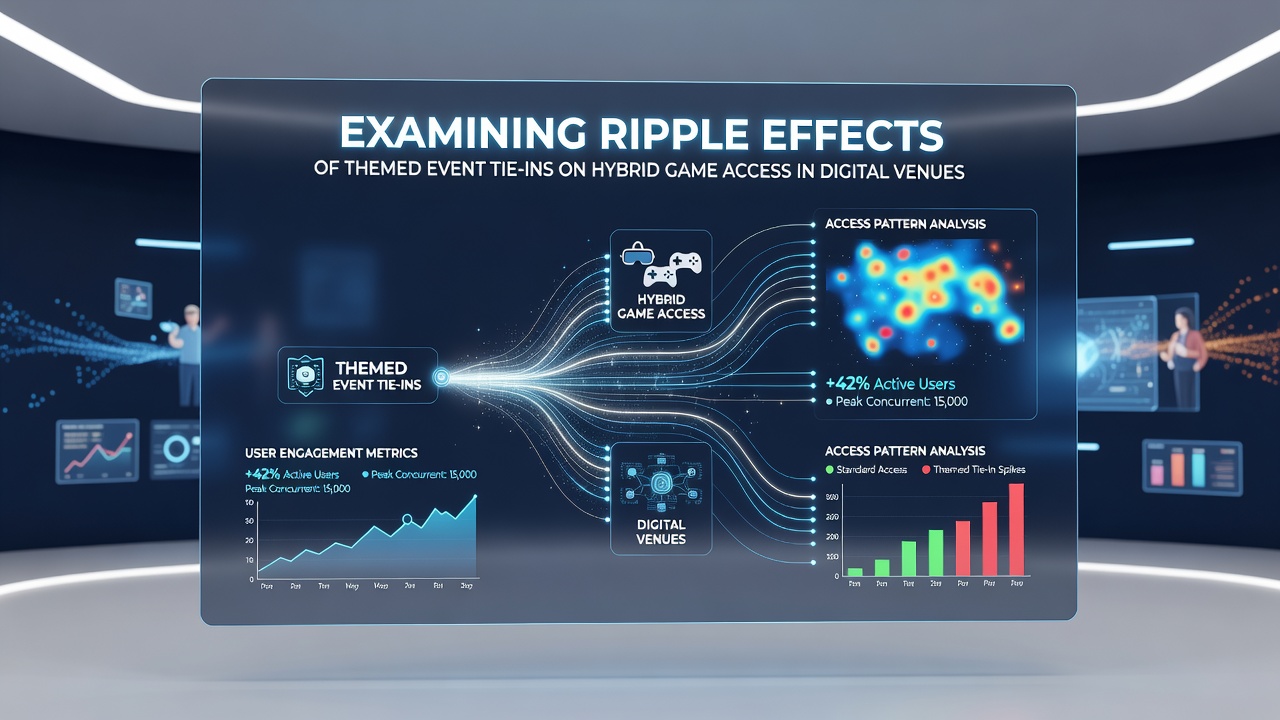
Digital venues have integrated themed event tie-ins with increasing frequency since early 2025, and these partnerships now shape how players reach hybrid combinations of slot machines and live dealer tables. Major entertainment releases, sports tournaments, and seasonal celebrations prompt operators to adjust game libraries, entry requirements, and promotional pathways that connect remote users to both digital reels and real-time card formats. Data collected through platform analytics in the first half of 2026 show measurable shifts in session lengths and menu visibility whenever a licensed film or league event receives promotional support.
Mechanics of Themed Integration in Hybrid Environments
Operators link external branding to existing game engines by adding visual overlays, limited-time symbols, and cross-promotional lobbies that sit between traditional slot grids and live dealer streams. When a blockbuster release occurs, the same authentication layer that grants access to progressive jackpot reels may also unlock temporary tables featuring characters or rules drawn from the licensed property. August 2026 schedules already list several film and music festival collaborations that will activate these dual pathways simultaneously across North American and European servers.
Platform logs indicate that users who enter through a themed portal spend 18 percent more time navigating between slot and table sections than those who arrive via standard menus. The change appears because the promotional interface places both formats inside one scrollable feed rather than separating them into distinct tabs. Researchers tracking user flow at multiple sites report that the single-feed design reduces the number of clicks required to switch formats, which in turn increases exposure to lesser-played table variants.
Access Patterns Across Different Regions
North American operators have adopted tiered entry systems tied to event participation, whereas operators in parts of Asia maintain separate queues for promotional and standard content. Figures released by the American Gaming Association for the period ending July 2026 document a 12 percent rise in hybrid game logins during months that featured coordinated movie tie-ins. In contrast, data from the Australian Institute of Family Studies gaming research unit show smaller but steadier gains when sports events receive similar treatment, suggesting regional preferences influence which hybrid combinations gain traction.
Payment and verification steps also change under themed campaigns. Some venues require an initial deposit or loyalty milestone before themed tables become visible, while others open both slot and live sections to all verified accounts for the duration of the event. These differences produce distinct retention curves that operators monitor through cohort analysis.
Technical Adjustments and Player Routing
Backend systems now route players through dynamic menus that prioritize content matching the active theme. When a music festival partnership launches, for example, the algorithm elevates slot titles with audio tracks from performing artists and simultaneously highlights live dealer rooms that accept themed chip bundles. Observers note that this routing can temporarily reduce visibility of non-aligned games by up to 30 percent in the primary lobby view.

Testing conducted on mobile applications during spring 2026 revealed that push notifications sent during event windows increased the likelihood of users trying a live table after completing a slot session. The same tests showed no corresponding increase when notifications promoted only one format. The combined approach therefore appears to support broader exploration of the hybrid catalog rather than isolating play within a single category.
Regulatory Considerations and Reporting Requirements
Regulators in multiple jurisdictions have begun requesting separate reporting lines for themed versus standard traffic. The Pennsylvania Gaming Control Board updated its data collection templates in May 2026 to capture how many accounts access hybrid tables exclusively through event portals. Similar adjustments are under discussion in several Canadian provinces where digital licenses now include mandatory disclosure of promotional routing logic.
Compliance teams must verify that age-gating and responsible gaming tools remain equally prominent inside themed lobbies. Early audits indicate that most operators have preserved these controls, yet the added visual layers require additional review cycles before each campaign launch.
Conclusion
Themed event tie-ins continue to alter navigation pathways, visibility rules, and session composition inside hybrid digital venues. Platform data collected through mid-2026 demonstrate consistent but regionally varied effects on how players move between slot and live table content. As licensing agreements expand and technical routing grows more sophisticated, operators and regulators alike track these patterns to maintain balanced access across game formats.