Biometric Verification Systems Reshape Tournament Protocols in Digital Gaming Networks
Henrik Meier · Aug 21, 2026

Biometric Verification Systems Reshape Tournament Protocols in Digital Gaming Networks
Biometric verification systems have started altering how tournament organizers handle player authentication across digital gaming platforms in 2026, and data from industry reports shows these tools now tie directly into entry gates and payout flows. Platforms integrate fingerprint scans, facial mapping, and voice patterns to confirm identities before players join competitive events, which reduces duplicate accounts and speeds up approval steps that once relied on manual document checks.
Entry Protocol Shifts Across Platforms
Multi-platform networks connect mobile apps, desktop clients, and cloud-based environments so players move between devices without re-registering, yet verification must stay consistent. Systems capture biometric data at signup then compare it in real time when a tournament opens, and this process links each entry to a single verified profile. Observers note that adoption rates climbed sharply after regulatory updates in several jurisdictions, with platforms reporting fewer instances of account sharing because matches require live biometric confirmation rather than static passwords.
August 2026 brought new integration standards from cross-border operators, and those standards require all participating networks to embed biometric checkpoints at the point of tournament registration. One study revealed that platforms using these checkpoints cut entry fraud by measurable margins while shortening the time from registration to game start, since automated comparisons replace earlier manual reviews that could stretch into hours or days.
Reward Distribution Adjustments
Reward flows now depend on the same biometric records that cleared entry, so winnings route only to accounts whose live verification matches the original profile. This setup prevents third-party claims and supports automated tax reporting because identity data stays attached to each transaction. Figures from network operators indicate that payout disputes dropped after biometric layers were added, while distribution times shortened because systems no longer pause to request extra identification documents mid-process.
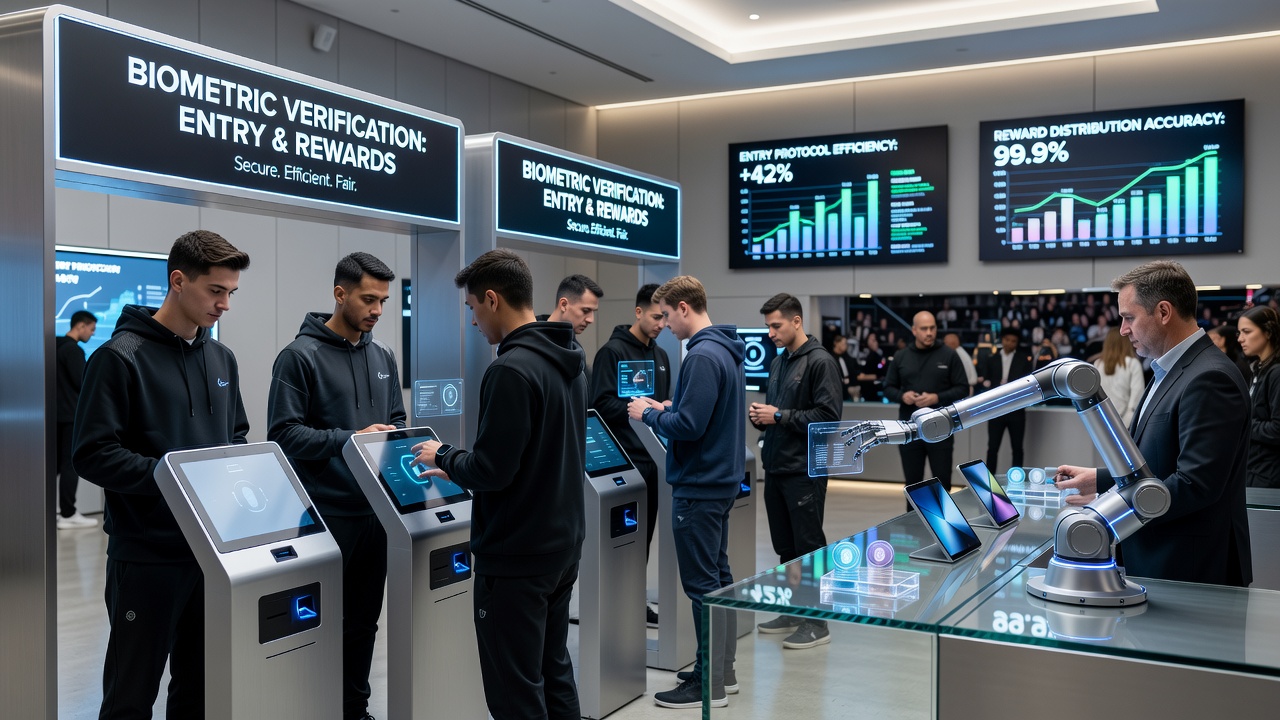
Networks that span multiple regions coordinate these records through shared databases that comply with local privacy rules, and the result is a single verified identity that travels with the player across borders. Data shows reward delivery now occurs within minutes of tournament conclusion on many platforms, compared with the multi-day windows common before biometric ties were established.
Regulatory and Technical Backing
According to reports published by the Ontario Lottery and Gaming Corporation, biometric entry requirements have aligned with consumer protection goals while maintaining platform throughput. Similar patterns appear in other markets where regulators require proof that verification systems meet accuracy thresholds before operators receive approval for large-scale tournaments. Technical standards developed by industry groups emphasize encryption of biometric templates so raw data never leaves secure servers, which addresses earlier concerns about storage risks.
Platforms that adopted these standards early recorded higher retention among verified users, because repeated logins become seamless once the initial biometric profile is set. Research from academic centers tracking digital entertainment trends found that multi-platform networks using unified biometric layers experienced steadier growth in tournament participation numbers through mid-2026.
Implementation Examples
One major network rolled out facial recognition paired with device-based fingerprint checks for its August 2026 tournament series, and entry logs showed that over ninety percent of participants completed verification on the first attempt. Another operator linked biometric records directly to reward wallets so that prize transfers triggered only after a final live scan, which eliminated several categories of chargeback claims previously tied to identity mismatches.
Technical teams continue refining algorithms to handle variations in lighting, device cameras, and user movement, while maintaining false-accept rates below thresholds set by oversight bodies. These refinements keep entry and payout processes fast even as participant volumes rise during peak seasons.
Conclusion
Biometric verification has become embedded in both tournament registration and reward distribution steps across multi-platform digital gaming networks, and current data points to continued expansion through the rest of 2026. Networks that maintain accurate, encrypted biometric records report smoother operations and fewer identity-related interruptions, while regulators gain clearer audit trails without slowing player access. The pattern shows technology and compliance requirements moving in the same direction, producing entry and payout systems that function across devices and regions with consistent identity checks.